



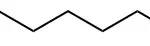
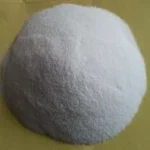
Glycerin
CAS Number: 56-81-5
Official Chemical Name: Glycerol
Alternative Synonyms:
- Glycerine
- 1,2,3-Propanetriol
Molecular Formula: C₃H₈O₃
Molecular Weight: 92.09
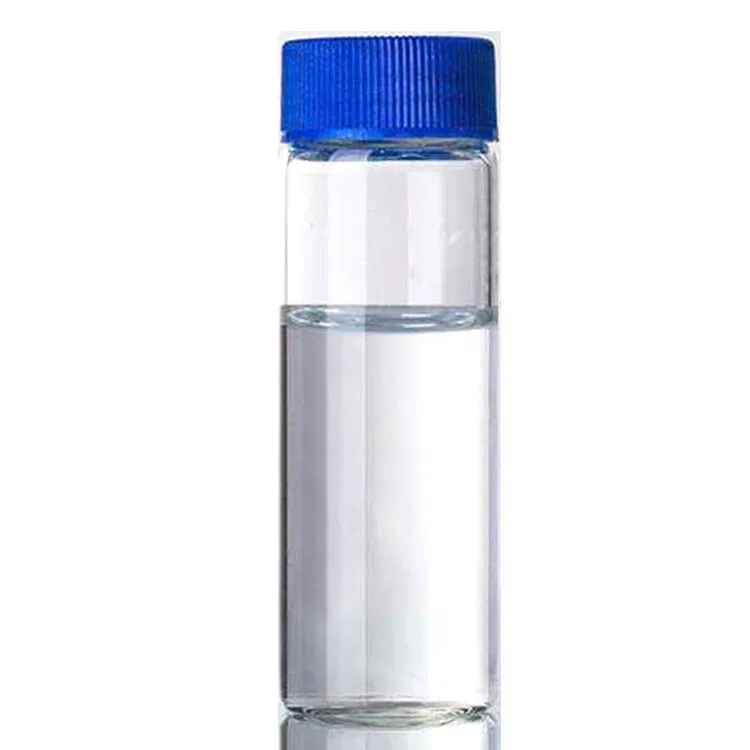
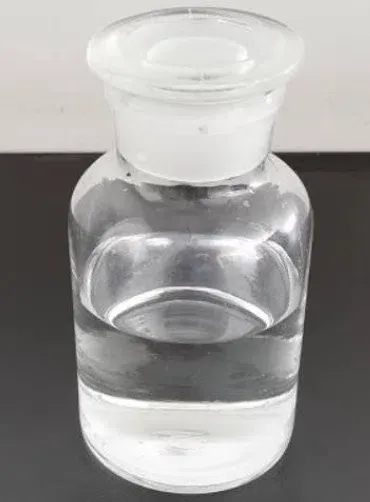
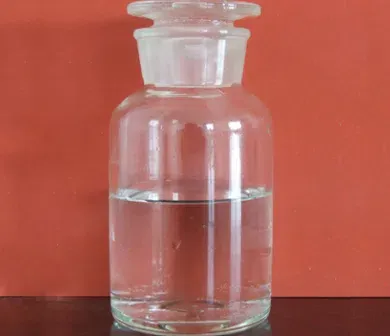
Appearance: Colorless, transparent viscous liquid
HS Customs Code: 29054500
MOQ (Minimum Order Quantity): 1 FCL (Full Container Load)
Sample Supply: Available
Glycerol (also called glycerine) is a simple polyol polyhydric alcohol compound. Pure glycerol is a colorless, odorless viscous liquid with a natural sweet taste.
Key physical constants:
- Melting Point: 17.9°C
- Boiling Point: 290°C
- Relative Density: 1.2613
- Refractive Index (20°C): 1.4746
- Closed Cup Flash Point: 177°C
Solubility & hygroscopic characteristics: It can be fully mixed with water at any volume ratio; anhydrous glycerol features strong hygroscopicity and readily absorbs moisture from ambient air. It dissolves freely in low-molecular alcohols, slightly dissolves in diethyl ether, and cannot dissolve in aliphatic and aromatic hydrocarbon solvents.
Chemical stability: Stable under normal room temperature and storage environments, and compatible with most neutral chemical raw materials.
Parameters
| Parameter | Value |
| Melting point | 20 °C(lit.) |
| Boiling point | 290 °C |
| density | 1.25 g/mL(lit.) |
| vapor density | 3.1 (vs air) |
| vapor pressure | <1 mm Hg ( 20 °C) |
| refractive index | n 20/D 1.474(lit.) |
| FEMA | 2525 | GLYCEROL |
| Fp | 320 °F |
| storage temp. | Store at +5°C to +30°C. |
| solubility | H2O: 5 M at 20 °C, clear, colorless |
| pka | 14.15(at 25℃) |
| form | Viscous Liquid |
| color | APHA: ≤10 |
| Specific Gravity | 1.265 (15/15℃)1.262 |
| Odor | Odorless. |
| PH Range | 5.5 – 8 |
| PH | 5.5-8 (25℃, 5M in H2O) |
| explosive limit | 2.6-11.3%(V) |
| Odor Type | odorless |
| biological source | synthetic (organic) |
| Water Solubility | >500 g/L (20 ºC) |
| Sensitive | Hygroscopic |
| λmax | λ: 260 nm Amax: 0.05 λ: 280 nm Amax: 0.04 |
| Merck | 14,4484 |
| JECFA Number | 909 |
| BRN | 635685 |
| Dielectric constant | 47.0(Ambient) |
| Exposure limits | OSHA: TWA 15 mg/m3; TWA 5 mg/m3 |
| Stability: | Stable. Incompatible with perchloric acid, lead oxide, acetic anhydride, nitrobenzene, chlorine, peroxides, strong acids, strong bases. Combustible. |
| InChIKey | PEDCQBHIVMGVHV-UHFFFAOYSA-N |
| LogP | -2.32 |
| Surface tension | 64mN/m at 20°C |
| CAS DataBase Reference | 56-81-5(CAS DataBase Reference) |
| NIST Chemistry Reference | 1,2,3-Propanetriol(56-81-5) |
| EPA Substance Registry System | Glycerine (56-81-5) |
| Absorption | ≤0.02 at 280nm in H2O at 0.5M ≤0.07 at 260nm in H2O at 0.5M |
Safety Information
| Item | Value |
| Hazard Codes | F,Xn |
| Risk Statements | 36-20/21/22-11 |
| Safety Statements | 24/25-39-26 |
| RIDADR | UN 1282 3/PG 2 |
| WGK Germany | 1 |
| RTECS | MA8050000 |
| F | 3 |
| Autoignition Temperature | 698 °F |
| TSCA | Yes |
| HS Code | 29054500 |
| Hazardous Substances Data | 56-81-5(Hazardous Substances Data) |
| Toxicity | LD50 in rats (ml/kg): >20 orally; 4.4 i.v. (Bartsch) |
Product Application of Glycerin CAS# 56-81-5
Glycerol is an indispensable experimental reagent for polyacrylamide gel electrophoresis, mainly applied in sample preprocessing and gel preparation:
- Sample loading aid: Adding 5%–10% glycerol to test samples elevates the density of sample solutions, which drives samples to settle at the bottom of gel wells and avoids sample diffusion when loading.
- Gradient gel molding additive: It facilitates uniform forming and smooth casting of gradient polyacrylamide gels during gel preparation.
- Long-term protein preservation stabilizer: It serves as an efficient protein protective agent, and can be formulated into storage buffer ingredients to sustain native protein activity during long-term low-temperature storage.
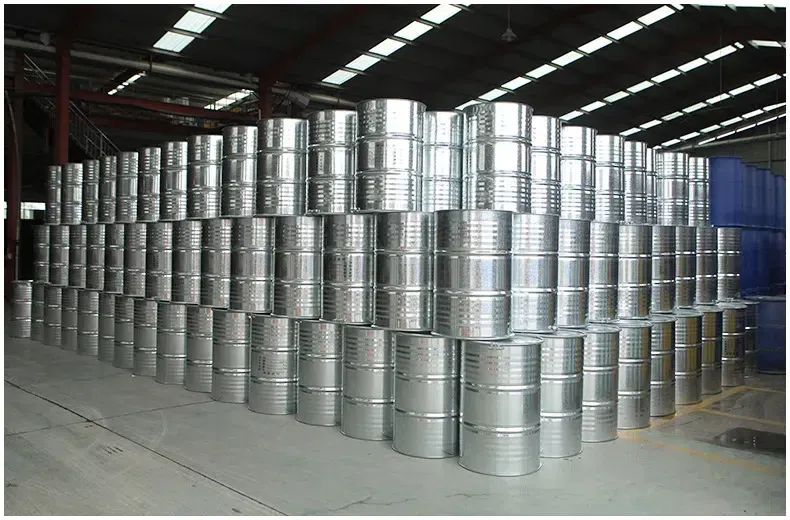
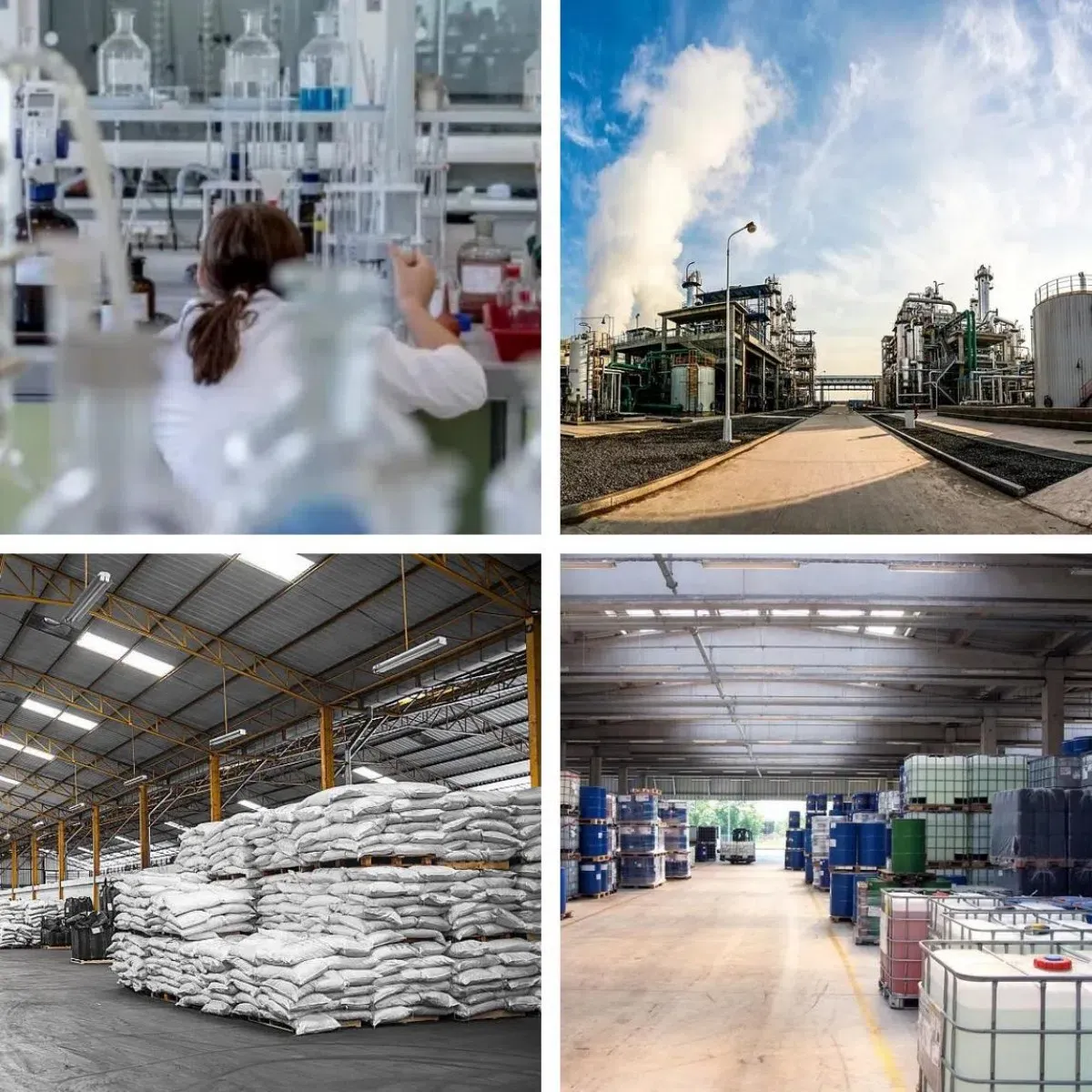
Factory and Equipment Show
Fast delivery time
Inventory: 2–3 working days
New production: 7–10 working days

Reviews
There are no reviews yet.