



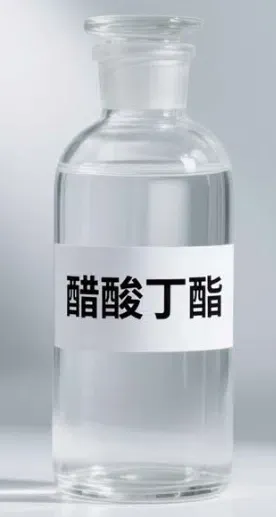
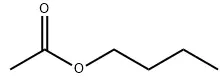
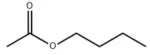
Butyl acetate
CAS Number: 123-86-4
Chemical Formula: C6H12O2
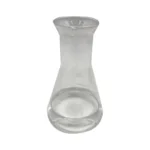
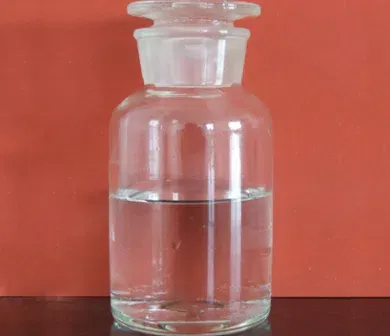
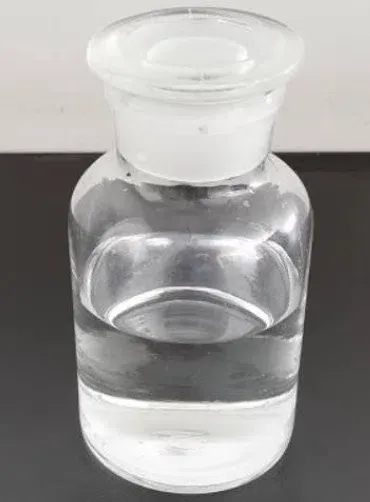
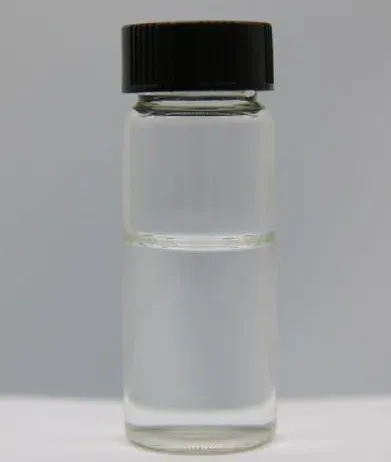
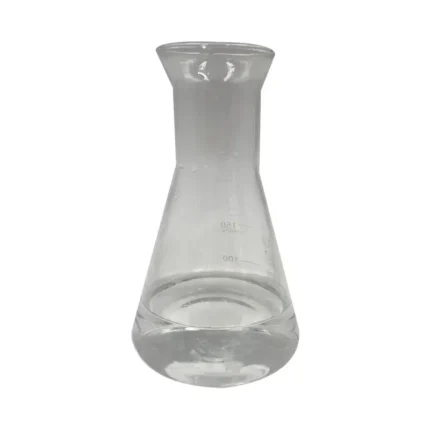
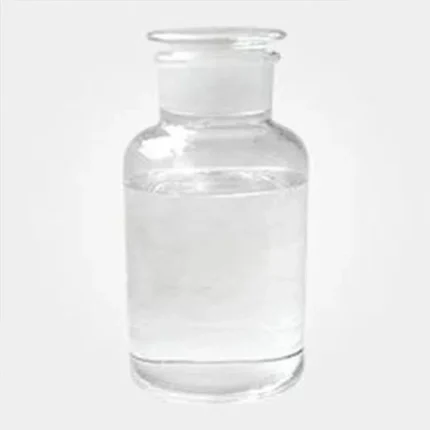
Appearance: Colorless Liquid
Synonyms:
N-BUTYLACETATEESTER
BUTYLACETAT 85 P.
Essigsure-n-butylester
HS Code: 2915 33 00
MOQ (Minimum Order Quantity): 1 FCL (Full Container Load)
Butyl acetate CAS#123-86-4 is a transparent, flammable ester formed from acetic acid. It exists in normal, secondary, and tertiary isomers. These isomers feature a fruity, banana-like scent. They appear naturally in apples and various other fruits, as well as in common foods including cheese, coffee, beer, roasted nuts, and vinegar. Industrially, butyl acetate is synthesized by esterifying the corresponding alcohol with acetic acid or acetic anhydride. N‑butyl acetate serves as a solvent for nitrocellulose lacquers, printing inks, and adhesives. It is also used in producing artificial leather, photographic film, safety glass, and plastics. Its isomers act as flavoring agents, ingredients in nail care products, and larvicides. The tertiary isomer has been applied as a gasoline additive. It can be used as an artificial fruit flavor in candies, ice cream, cheeses, and baked goods.
Parameters
| Property | Value |
| Melting point | -78 °C (lit.) |
| Boiling point | 124-126 °C (lit.) |
| density | 0.88 g/mL at 25 °C (lit.) |
| vapor density | 4 (vs air) |
| vapor pressure | 15 mm Hg ( 25 °C) |
| refractive index | n20/D 1.394(lit.) |
| FEMA | 2174 | BUTYL ACETATE |
| Fp | 74 °F |
| storage temp. | Store at +5°C to +30°C. |
| solubility | 5.3g/l |
| form | Liquid |
| color | ≤10(APHA) |
| Specific Gravity | 0.883 (20/20℃) |
| Odor | Characteristic; agreeable fruity (in low concentrations); non residual. |
| PH | 6.2 (5.3g/l, H2O, 20℃)(External MSDS) |
| Odor Threshold | 0.016ppm |
| Odor Type | ethereal |
| biological source | synthetic |
| explosive limit | 1.4-7.5%(V) |
| Water Solubility | 0.7 g/100 mL (20 ºC) |
| FreezingPoint | -77.9℃ |
| λmax | λ: 254 nm Amax: 1.0; λ: 260 nm Amax: 0.20; λ: 275 nm Amax: 0.04; λ: 300 nm Amax: 0.02; λ: 320-400 nm Amax: 0.01 |
| Merck | 14,1535 |
| JECFA Number | 127 |
| BRN | 1741921 |
| Henry’s Law Constant | 5.79 at 37 °C (static headspace-GC, van Ruth et al., 2001) |
| Exposure limits | TLV-TWA 150 ppm (~710 mg/m3) (ACGIH, MSHA, and OSHA); TLV-STEL 200 ppm (~950 mg/m3); IDLH 10,000 ppm (NIOSH). |
| Dielectric constant | 5.0(20℃) |
| Stability: | Stable. Flammable. Incompatible with strong oxidizing agents, strong acids, strong bases. |
| Cosmetics Ingredients Functions | FRAGRANCE; SOLVENT |
| Cosmetic Ingredient Review (CIR) | Butyl acetate (123-86-4) |
| InChI | 1S/C6H12O2/c1-3-4-5-8-6(2)7/h3-5H2,1-2H3 |
| InChIKey | DKPFZGUDAPQIHT-UHFFFAOYSA-N |
| SMILES | CCCCOC(C)=O |
| LogP | 1.82-2.3 at 25℃ |
| Surface tension | 24.85mN/m at 298.15K |
| CAS DataBase Reference | 123-86-4(CAS DataBase Reference) |
| NIST Chemistry Reference | Acetic acid, butyl ester(123-86-4) |
| EPA Substance Registry System | n-Butyl acetate (123-86-4) |
Safety Information
| Item | Details |
| Risk Statements | 10-66-67-R67-R66-R10 |
| Safety Statements | 25-S25 |
| RIDADR | UN 1123 3/PG 3 |
| OEB | A |
| OEL | TWA: 150 ppm (710 mg/m3), STEL: 200 ppm (950 mg/m3) |
| WGK Germany | 1 |
| RTECS | AF7350000 |
| Autoignition Temperature | 790 °F |
| TSCA | TSCA listed |
| HS Code | 2915 33 00 |
| HazardClass | 3 |
| PackingGroup | III |
| Storage Class | 3 – Flammable liquids |
| Hazard Classifications | Flam. Liq. 3; STOT SE 3 |
| Hazardous Substances Data | 123-86-4(Hazardous Substances Data) |
| Toxicity | LD50 orally in rats: 14.13 g/kg (Smyth) |
| IDLA | 1,700 ppm |
Product Application
Butyl acetate ranks among the most important commercial derivatives of n‑butanol. It is widely used as a fast‑drying solvent in paints and coatings. In many applications, it has replaced ethoxyethyl acetate because of the latter’s documented toxicity and teratogenicity.
Fast delivery time
Inventory 2-3 working days New production 7-10 working days.

Reviews
There are no reviews yet.