



Ascorbic Acid
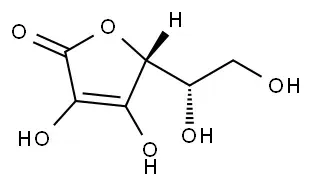
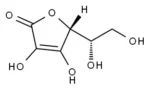
Chemical Name: Ascorbic Acid
CAS No.: 50-81-7
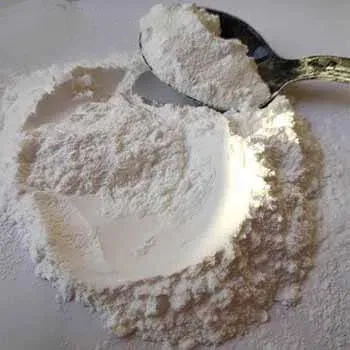
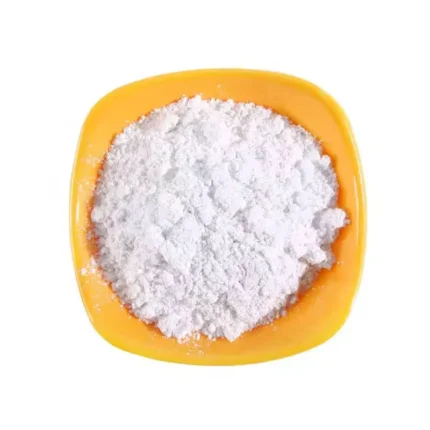
Appearance: white to slightly yellow powder
Molecular Formula: C6H8O6
Molecular weight: 176.12
Sample: Available
L-Ascorbic acid (vitamin C) industrial product purity ≥ 99%, white crystalline powder with odorless and sour taste, slightly yellow on long-term storage. Melting point 190-192℃ (decomp), no boiling point (decomposes). Vapor pressure 9.28×10⁻¹¹mmHg (25℃), relative density 1.65 (20℃). Solubility in water: soluble, slightly soluble in ethanol, insoluble in ether, chloroform. Stable when dry, incompatible with strong oxidants and alkalis.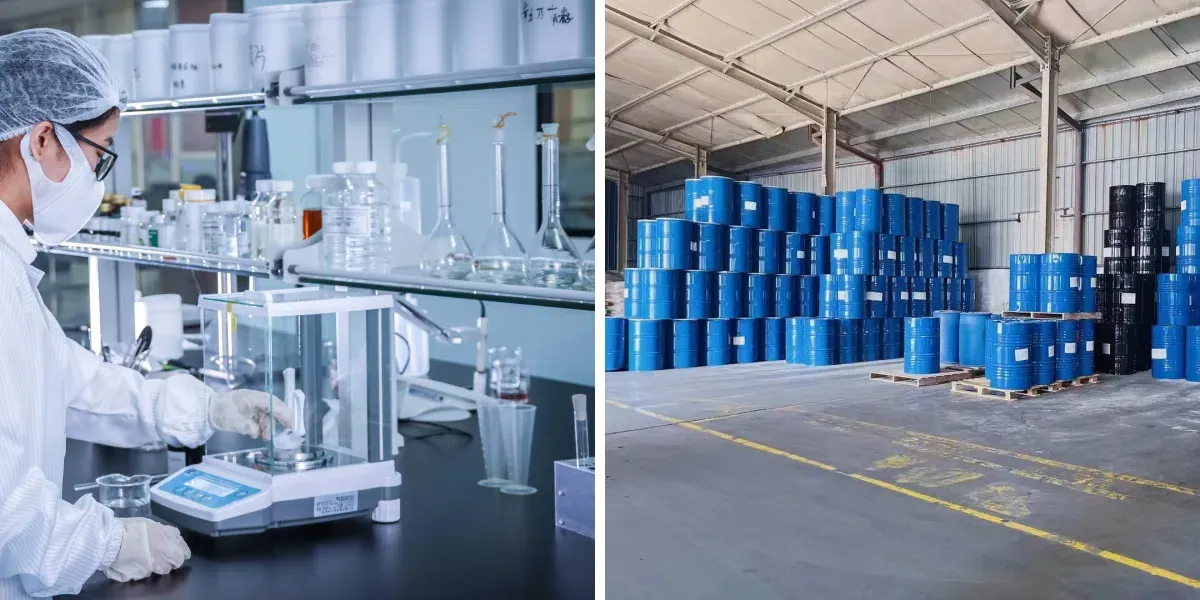
Parameters
| Parameter | Value |
| Melting point | 190-194 °C (dec.) |
| alpha | 20.5 º (c=10,H2O) |
| Boiling point | 227.71°C (rough estimate) |
| density | 1,65 g/cm3 |
| FEMA | 2109 | ASCORBIC ACID |
| refractive index | 21 ° (C=10, H2O) |
| storage temp. | Store at +5°C to +30°C. |
| solubility | H2O: 50 mg/mL at 20 °C, clear, nearly colorless |
| pka | 4.04, 11.7(at 25℃) |
| form | powder |
| color | white to slightly yellow |
| PH | 3.59(1 mM solution);3.04(10 mM solution);2.53(100 mM solution); |
| PH Range | 1 – 2.5 |
| Odor | Odorless |
| Appearance | colorless solid |
| biological source | synthetic (organic) |
| Odor Type | green |
| Optical Rotation | [α]25/D 19.0 to 23.0°, c = 10% in H2O |
| Water Solubility | 333 g/L (20 ºC) |
| Merck | 14,830 |
| BRN | 84272 |
| BCS Class | 1 |
| Stability: | Stable. May be weakly light or air sensitive. Incompatible with oxidizing agents, alkalies, iron, copper. |
| InChIKey | CIWBSHSKHKDKBQ-JLAZNSOCSA-N |
| LogP | -1.85 |
| CAS DataBase Reference | 50-81-7(CAS DataBase Reference) |
| NIST Chemistry Reference | L-Ascorbic acid(50-81-7) |
| EPA Substance Registry System | Ascorbic acid (50-81-7) |
| Absorption | cut-off at 306nm in H2O at 1M |
Safety Information
| Item | Details |
| Hazard Codes | |
| Risk Statements | |
| Safety Statements | 24/25-36-26 |
| WGK Germany | 1 |
| RTECS | CI7650000 |
| TSCA | Yes |
| HS Code | 29362700 |
| Hazardous Substances Data | 50-81-7(Hazardous Substances Data) |
| Toxicity | LD50 oral in rat: 11900mg/kg |
oduct Application of Ascorbic Acid CAS#50-81-7
Vitamin C is a well-known antioxidant. Its impact on free‑radical generation when applied topically to skin via creams has not been fully confirmed. The efficacy of topical formulations is often questioned due to vitamin C’s instability (it reacts with water and degrades). Certain modified forms show improved stability in aqueous systems. Synthetic derivatives like magnesium ascorbyl phosphate are regarded as more effective because they are more stable.
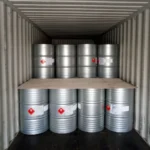
Factory and Equipment Show
Fast delivery time
Inventory 2-3 working days New production 7-10 working days

Reviews
There are no reviews yet.