



Sodium carbonate
CAS Number: 497-19-8
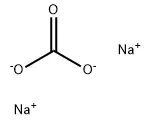
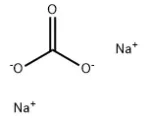
Chemical Formula: CH2O3.2Na
Synonyms:
ASH
Sodium carbonate solution
Sodium carbonate-12C, 13C-depleted
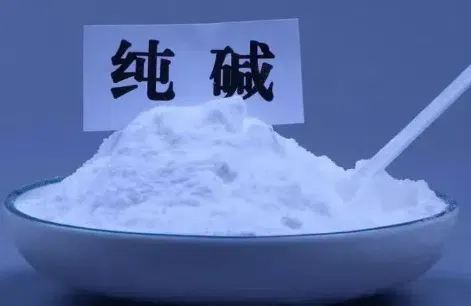
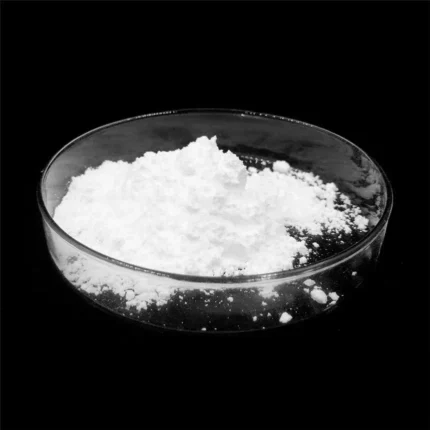
Appearance: White Powder
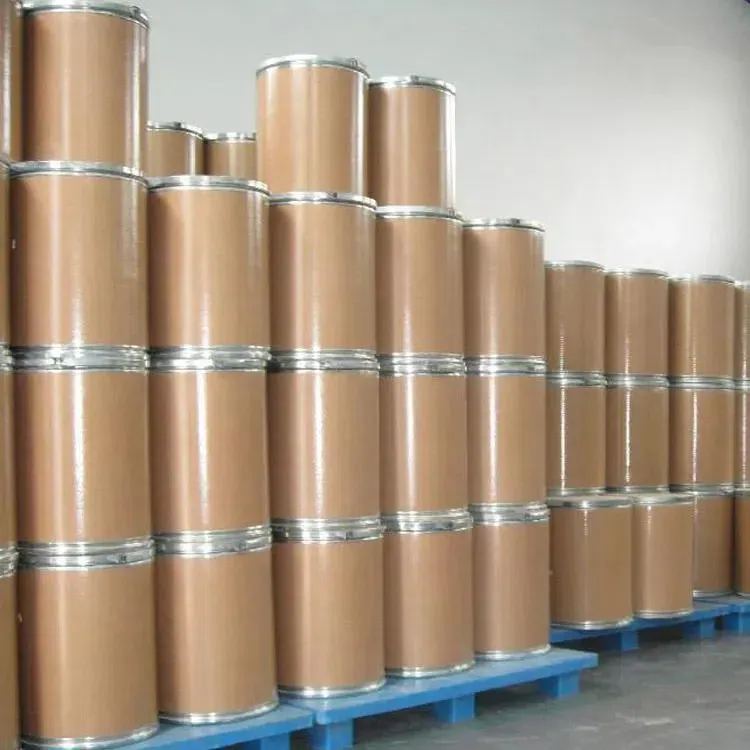
MOQ (Minimum Order Quantity): 1 FCL (Full Container Load)
Sodium carbonate CAS#497-19-8 serves as the sodium salt derived from carbonic acid. Pure sodium carbonate presents as a white, odorless powder with a pronounced alkaline flavor and strong hygroscopic traits. It dissolves readily in water to form a moderately alkaline aqueous solution.
This compound enjoys broad global usage across numerous industries. A primary application lies in glass manufacturing, with roughly half of all sodium carbonate output dedicated to this sector. It acts as a flux for silica melting during glass production. As a powerful alkaline agent, it supports pulp and paper making, textile processing, water treatment, soap and detergent production, and drain cleaning. Additional uses include tissue digestion, dissolving amphoteric metals and compounds, food processing, and general cleaning tasks.
Two main production methods exist for sodium carbonate. The first involves reactions between sodium chloride and calcium carbonate via the ammonia‑Solvay process. The second extracts sodium carbonate from natural ore deposits like trona and nahcolite.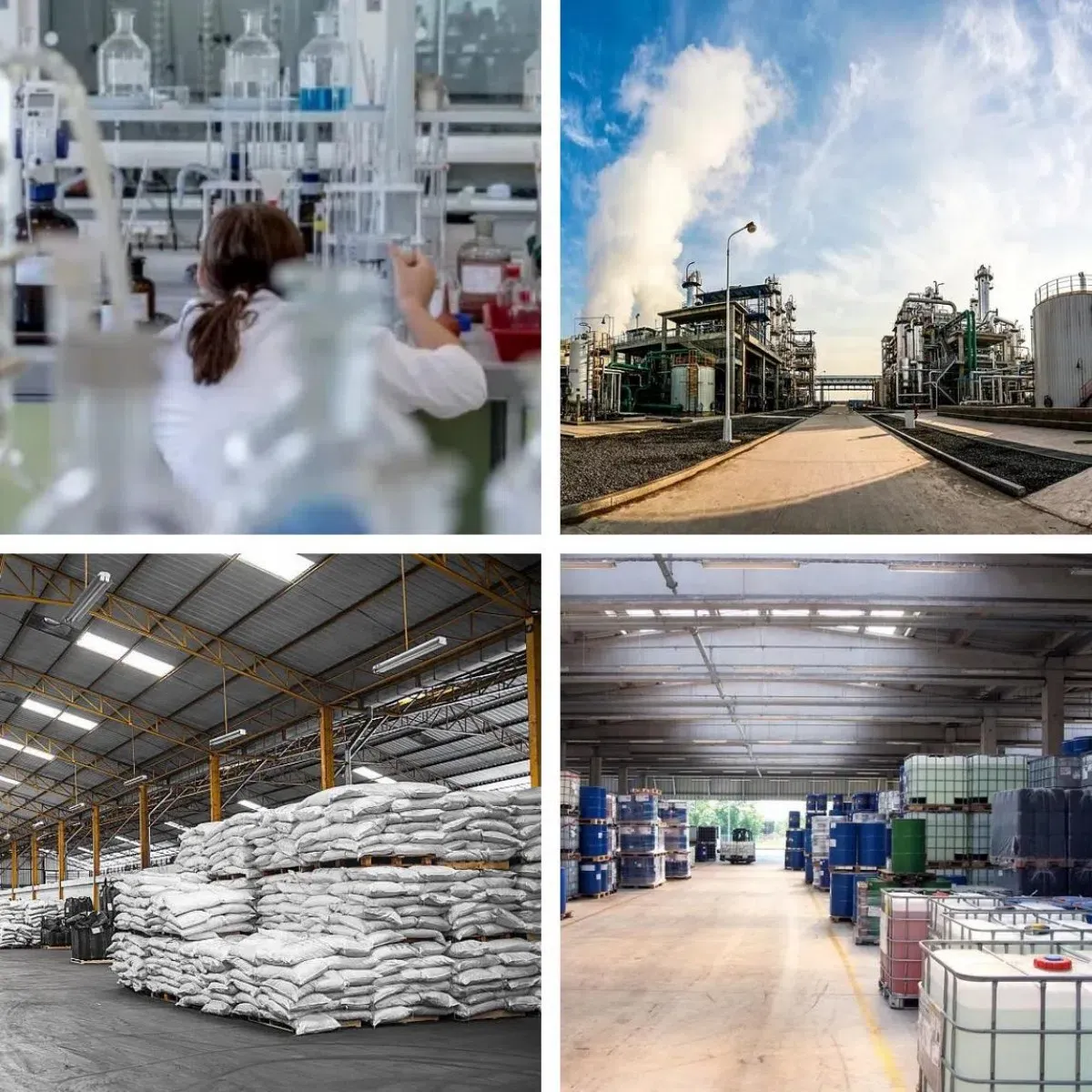
Parameters
| Property | Value |
| Melting point | 851 °C (lit.) |
| Boiling point | 1600°C |
| bulk density | 1100kg/m3 |
| density | 2.53 |
| refractive index | 1.535 |
| storage temp. | 15-25°C |
| solubility | H2O: 1 M at 20 °C, clear, colorless |
| form | Solid |
| color | White |
| Specific Gravity | 2.532 |
| Flame Color | Yellow |
| Odor | at 100.00%. odorless |
| PH | 10.52(1 mM solution);10.97(10 mM solution);11.26(100 mM solution); |
| pka | (1) 6.37, (2) 10.25 (carbonic (at 25℃) |
| Water Solubility | 22 g/100 mL (20 ºC) |
| λmax | λ: 260 nm Amax: 0.01 λ: 280 nm Amax: 0.01 |
| Sensitive | Hygroscopic |
| Merck | 14,8596 |
| BRN | 4154566 |
| Dielectric constant | 5.3(Ambient) |
| Stability: | Stable. Incompatible with powdered alkaline earth metals, aluminium, organic nitro compounds, fluorine, alkali metals, nonmetallic oxides, concentrated sulfuric acid, oxides of phosphorus. |
| Cosmetics Ingredients Functions | BUFFERING BULKING |
| InChI | 1S/CH2O3.2Na/c2-1(3)4;;/h(H2,2,3,4);;/q;2*+1/p-2 |
| InChIKey | CDBYLPFSWZWCQE-UHFFFAOYSA-L |
| SMILES | O=C(O[Na])O[Na] |
| CAS DataBase Reference | 497-19-8(CAS DataBase Reference) |
| NIST Chemistry Reference | Sodium carbonate(497-19-8) |
| EPA Substance Registry System | Sodium carbonate (497-19-8) |
Safety Information
| Item | Details |
| Hazard Codes | Xn,Xi |
| Risk Statements | 32-36-51/53-36/37/38-41-37/38 |
| Safety Statements | 36/37-26-22-36-39 |
| WGK Germany | 2 |
| RTECS | XN6476000 |
| F | 3 |
| TSCA | TSCA listed |
| HS Code | 28362000 |
| Storage Class | 11 – Combustible Solids |
| Hazard Classifications | Eye Irrit. 2 |
| Hazardous Substances Data | 497-19-8(Hazardous Substances Data) |
| Toxicity | LD50 orally in Rabbit: 4090 mg/kg |
Product Application
Sodium carbonate, or soda ash, plays key roles in glass production, sodium‑based chemical synthesis (including chromates, phosphates, and silicates), pulp processing, soap and detergent manufacturing, oil purification, water softening, and non‑ferrous metal refining. Its decahydrate form (Na2CO3·10H2O) is called washing soda or sal soda, distinct from baking soda (sodium bicarbonate, NaHCO3). The monohydrate variant (Na2CO3·H2O) serves as a standard component for scouring mixtures.
Aqueous sodium carbonate provides milder alkalinity than sodium hydroxide. A 0.1% solution reaches pH 11, while a saturated 35% solution reaches pH 12.5.
Due to its moderate alkalinity, sodium carbonate has less stringent safety handling requirements compared to strongly alkaline hydroxides.
Fast delivery time
Inventory 2-3 working days New production 7-10 working days.

Reviews
There are no reviews yet.