


Blog
How to Identify Quality Peptides: What Makes a High-Quality Peptide? (And How to Spot the Difference)

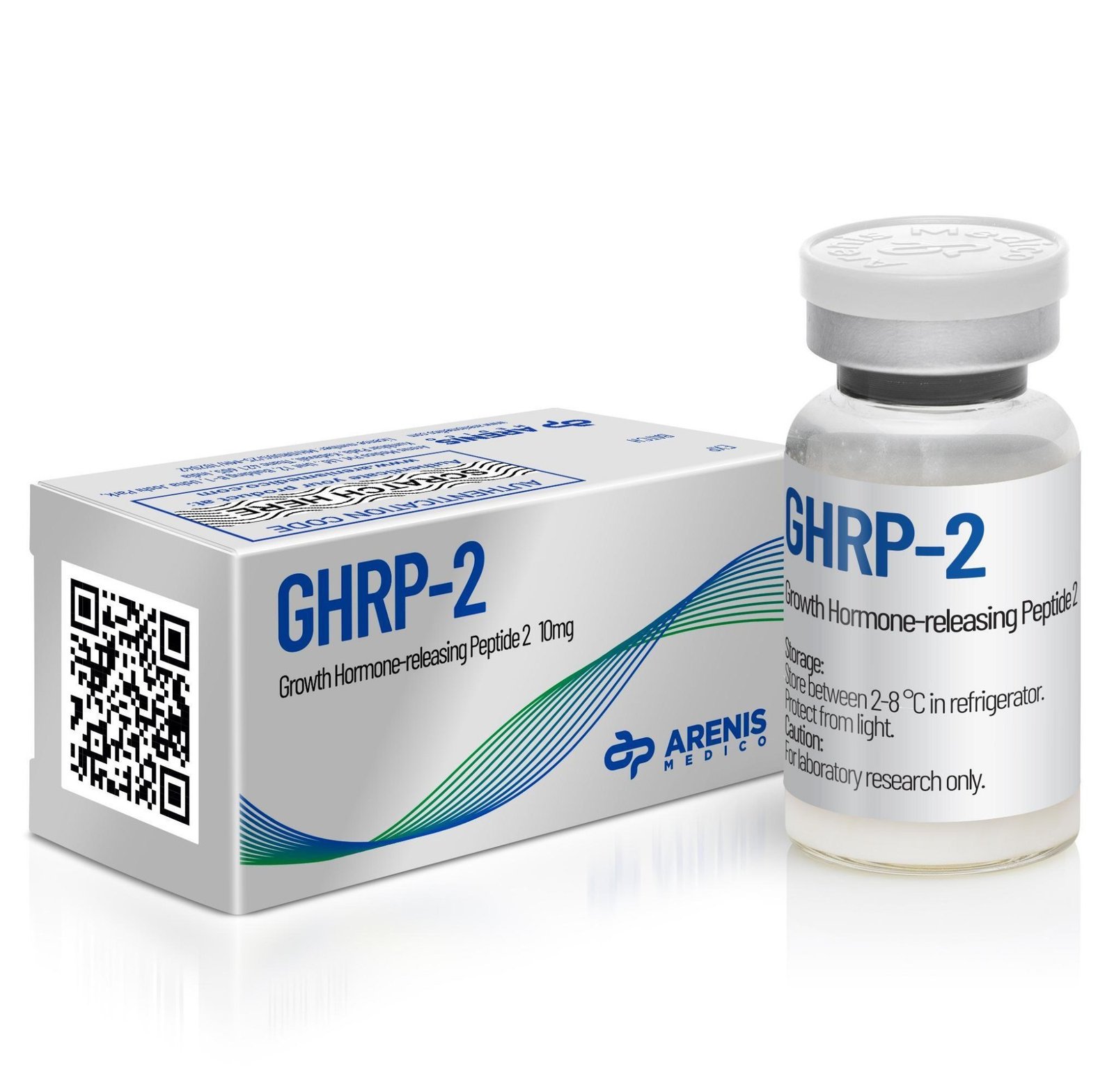
The peptide market in the United States has grown rapidly, with researchers, fitness enthusiasts, and biotech professionals all seeking reliable products. But with that growth comes a serious challenge: not all peptides are created equal.
Low-quality peptides can compromise research results, waste money, and even pose safety risks. So how do you identify a high-quality peptide—and avoid inferior products?
This guide breaks down exactly how to identify quality peptides, what to look for, from purity levels to lab testing so that you can make informed decisions.
Why Peptide Quality Matters
Peptides are short chains of amino acids used in research, therapeutic development, and performance studies. Their effectiveness depends entirely on their structure and purity.
Low-quality peptides may contain:
- Contaminants
- Incorrect sequences
- Degraded compounds
- Fillers or impurities
This leads to unreliable data and inconsistent outcomes—especially critical in laboratory or clinical environments.
1. Purity Levels: The Gold Standard
One of the most important indicators of peptide quality is purity.
What is peptide purity?
Purity refers to the percentage of the peptide that is the correct molecular structure versus impurities.
Industry Benchmarks
- 98%+ purity → High-quality (research-grade standard)
- 95–97% purity → Acceptable but not ideal
- Below 95% → Low quality
How to verify purity
Look for:
- HPLC (High-Performance Liquid Chromatography) reports
- Third-party lab testing
- Transparent documentation
If a supplier doesn’t provide this, that’s a red flag.
2. Third-Party Lab Testing (COA)
A Certificate of Analysis (COA) is non-negotiable when buying peptides.
What a COA should include:
- Purity percentage
- Batch number
- Testing method (HPLC, Mass Spectrometry)
- Date of analysis
- Independent lab verification
Red Flags
- Generic or fake-looking COAs
- Missing batch numbers
- No third-party lab listed
A legitimate peptide supplier will always provide verifiable, batch-specific COAs.
3. Manufacturing Standards
High-quality peptides are produced under strict conditions.
Look for:
- GMP (Good Manufacturing Practices) compliance
- Cleanroom production environments
- Advanced synthesis methods (solid-phase peptide synthesis)
Why it matters
Poor manufacturing leads to:
- Cross-contamination
- Sequence errors
- Reduced stability
Reliable suppliers invest heavily in precision manufacturing.
4. Proper Storage & Handling
Even a high-quality peptide can degrade if stored incorrectly.
Best practices include:
- Lyophilization (freeze-drying)
- Storage in airtight vials
- Temperature control (cold chain logistics)
Signs of poor handling:
- Discolored powder
- Moisture inside vials
- Weak or inconsistent results
5. Transparent Sourcing
Trustworthy companies are transparent about where and how their peptides are produced.
What to check:
- Company reputation
- Years in business
- Verified customer reviews
- Clear contact information
Avoid suppliers that:
- Hide manufacturing details
- Offer prices that seem too good to be true
- Lack verifiable online presence
6. Pricing: Too Cheap = Risky
While everyone wants a good deal, extremely cheap peptides often indicate low quality.
Why low prices are suspicious:
- Corners cut in manufacturing
- Lack of testing
- Diluted or mislabeled products
Smart approach:
Compare pricing across reputable U.S. suppliers. If one is significantly cheaper, proceed with caution.
7. Packaging & Labeling
High-quality peptides come with professional-grade packaging.
Look for:
- Clearly labeled vials
- Batch numbers
- Expiration dates
- Storage instructions
Poor labeling often signals a lack of quality control.
8. Supplier Reputation in the USA
The U.S. market has both reputable suppliers and questionable vendors.
How to evaluate a supplier:
- Check independent reviews
- Look for mentions in research communities
- Verify domain history and legitimacy
Pro Tip
Search terms like:
- “peptide supplier reviews USA”
- “is [brand] legit peptides”
This can reveal real user experiences.
How to Spot Low-Quality Peptides Instantly
Here are quick warning signs:
- No COA available
- Unrealistically low prices
- Poor website design or missing info
- No customer support
- No third-party testing
- Vague product descriptions
If you see multiple red flags—walk away.
Best Practices When Buying Peptides Online
To ensure safety and quality:
- Always request a COA
- Verify lab testing authenticity
- Buy from established U.S. suppliers
- Avoid marketplaces with unverified sellers
- Start with small orders to test reliability
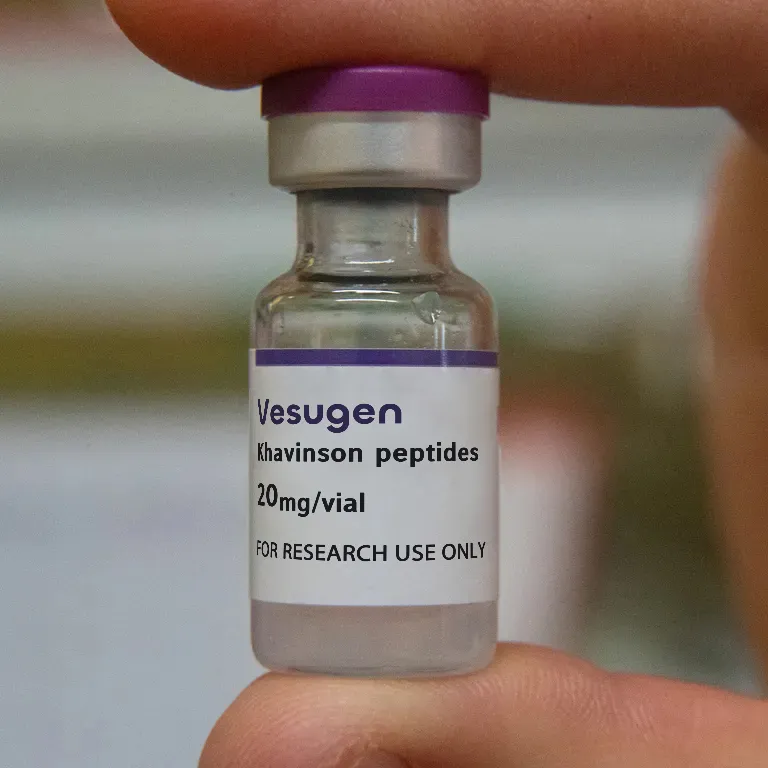
How to Identify Quality Peptides
High-quality peptides are defined by purity, testing, manufacturing standards, and supplier transparency. Cutting corners in any of these areas leads to unreliable products and potential risks.
If you want consistent, trustworthy results, focus on verified purity (98%+), third-party COAs, and reputable U.S.-based suppliers.
In a market filled with options, knowledge is your best defense against low-quality products.

FAQ
Q1: What purity level is considered high-quality for peptides?
A: Peptides with 98% or higher purity are considered high-quality and suitable for most research applications.
Q2: How can I verify peptide quality levels before buying?
A: Check for a Certificate of Analysis (COA), third-party lab testing, and supplier reputation.
Q3: Are cheaper peptides always lower quality?
A: Not always, but significantly lower prices often indicate reduced purity, lack of testing, or poor manufacturing.
Q4: What is a COA in peptides?
A: A Certificate of Analysis is a lab report confirming a peptide’s purity, composition, and testing details.
Q5: Is it safe to buy peptides online in the USA?
A: Yes, if you purchase from reputable suppliers that provide verified lab testing and transparent information.