


Blog
What Are Research Chemicals


What Are Research Chemicals? Uses, Safety & Legal Overview
Understanding what research chemicals are is essential for anyone involved in scientific research or biochemical studies. These compounds drive innovation, discovery, and pharmaceutical advancement—but they also require strict responsibility, compliance, and ethical handling. When used correctly in controlled environments, research chemicals remain a powerful tool for advancing modern science.
Research chemicals are a broad category of substances developed primarily for scientific, medical, and laboratory research purposes. Over the past two decades, interest in research chemicals has grown significantly due to advances in pharmacology, neuroscience, and biochemical studies. However, the term is often misunderstood, leading to confusion about what research chemicals are, how they are used, and why they exist.
In this comprehensive guide, we’ll explain what research chemicals are, their common classifications, legitimate uses, legal considerations, and important safety concerns. This article is intended for educational purposes only and aims to provide clear, factual insight into a complex topic.
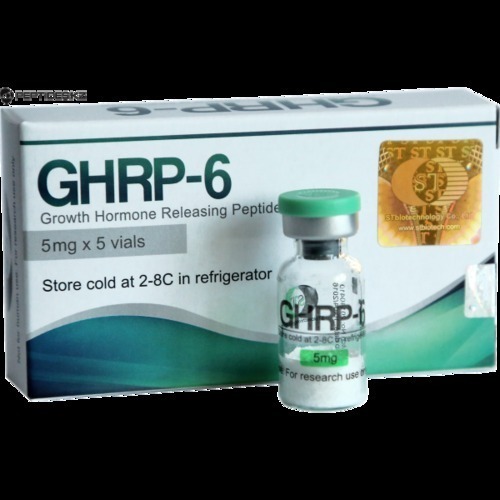
Research chemicals (often abbreviated as RCs) are synthetic or naturally derived compounds created for use in scientific research and laboratory experimentation. These substances are typically studied to understand their chemical properties, biological interactions, or potential therapeutic applications.
Many research chemicals are:
- Newly developed compounds
- Modified versions of existing molecules
- Substances not yet approved for medical or commercial use
Because of this, research chemicals are usually labeled “for research use only” and not intended for human or veterinary consumption.
Why Are Research Chemicals Developed?
research chems play a vital role in scientific advancement. They help researchers:
- Study receptor binding and molecular pathways
- Explore potential treatments for neurological, metabolic, or inflammatory conditions
- Investigate drug interactions and pharmacokinetics
- Develop safer or more effective pharmaceutical compounds
Many approved medications today originated as research chemicals before undergoing extensive clinical trials and regulatory approval.
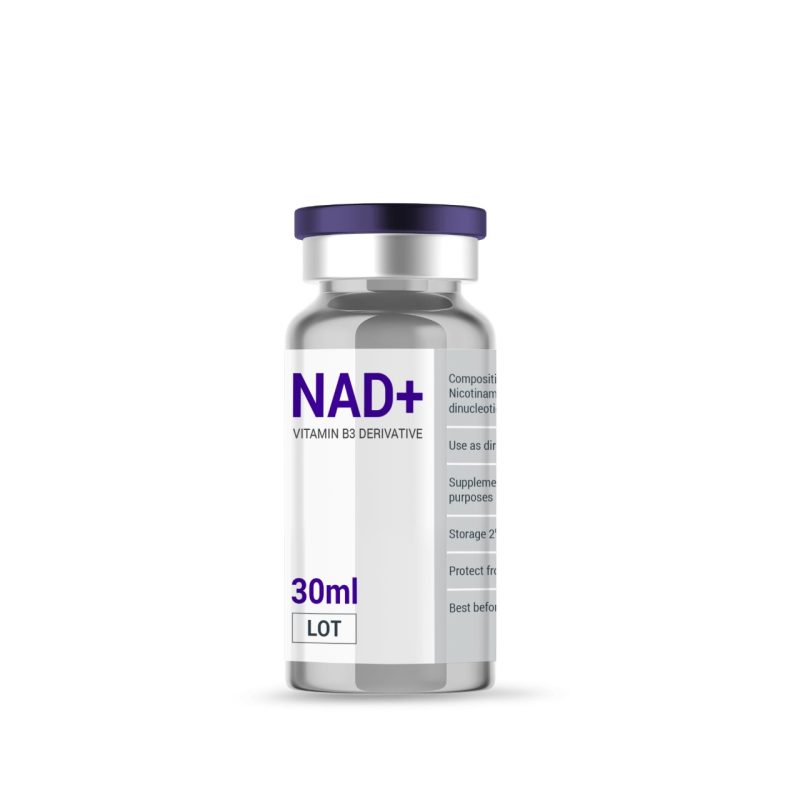
Best Research Chemicals
RC Drugs can be categorized based on their chemical structure or intended research application. Below are some commonly studied categories:
1. Peptide Research Chemicals
Peptides are short chains of amino acids studied for their role in cellular signaling, tissue repair, metabolism, and hormonal regulation.
2. Nootropic Research Compounds
These chemicals are researched for their potential effects on cognition, memory, focus, and neuroprotection.
3. Receptor Agonists and Antagonists
These compounds are designed to activate or block specific receptors, helping scientists understand how certain biological systems function.
4. Metabolic and Endocrine Research Chemicals
Often studied for their influence on insulin sensitivity, fat metabolism, or hormone regulation.
5. Analytical Reference Standards
Used in laboratories to calibrate instruments, validate testing methods, and ensure analytical accuracy.

How Are Research Chemicals Used?
Legitimate research chemicals are used in:
- University laboratories
- Pharmaceutical research facilities
- Biochemical and molecular biology studies
- In vitro (test tube) and in vivo (animal) research
They are not approved drugs, supplements, or medical treatments. Their use is restricted to controlled research environments under proper ethical and regulatory guidelines.
Research chemicals often lack long-term safety data, which is why strict handling protocols are essential. Key safety considerations include:
- Proper laboratory storage and labeling
- Use of protective equipment
- Accurate documentation and disposal
- Ethical approval for animal or biological studies
Because these compounds are still under investigation, unknown risks may exist, reinforcing the importance of controlled, professional use only.
Research Chemicals vs Approved Pharmaceuticals
| Research Chemicals | Approved Pharmaceuticals |
|---|---|
| Used for study and analysis | Approved for medical use |
| Limited or no clinical trials | Extensive clinical testing |
| Not regulated for consumption | Regulated by health authorities |
| Labeled for research use only | Prescribed or sold legally |
Many pharmaceuticals begin as research chemicals but only reach approval after years of testing and regulatory review.
Research chemicals are an essential part of modern scientific discovery, enabling breakthroughs in medicine, neuroscience, and biotechnology. While they offer immense research value, they must be handled responsibly, ethically, and within the boundaries of the law.
Understanding what research chemicals are—and what they are not—is crucial for researchers, suppliers, and educators alike. As science continues to evolve, research chemicals will remain a foundational tool in unlocking new knowledge and potential therapies.
FAQ: What Are Research Chemicals?
1. What are research chemicals used for?
Research chemicals are used exclusively in scientific and laboratory research to study chemical behavior, biological interactions, receptor activity, and molecular mechanisms. They help researchers explore potential pharmaceutical applications before clinical trials.
2. Are research chemicals legal?
The legality of research chemicals depends on the country, compound, and intended use. Some are legal for laboratory research but illegal for human consumption. Researchers must comply with local regulations and chemical control laws.
3. Are research chemicals approved for human use?
No. Research chemicals are not approved for human or veterinary consumption. They are labeled “for research use only” and are intended solely for controlled scientific studies.
4. What is the difference between research chemicals and drugs?
Research chemicals are experimental substances used for study, while drugs are compounds that have passed clinical trials and regulatory approval for medical use. Many drugs begin as research chemicals during early development.
5. Why are research chemicals labeled “not for human consumption”?
This label indicates that the compound has not undergone safety testing, toxicity studies, or regulatory approval necessary for human use. It protects both researchers and suppliers legally and ethically.
6. Who can legally purchase research chemicals?
Research chemicals are typically purchased by:
- Universities
- Research institutions
- Pharmaceutical laboratories
- Licensed scientific professionals
Policies vary by supplier and jurisdiction.
7. Are research chemicals safe?
The safety profile of many research chemicals is unknown or incomplete, which is why they must be handled with strict laboratory protocols and professional oversight.
Looking for a research chemical supply for laboratory use. This compound is supplied for analytical, in vitro, or experimental research conducted by qualified professionals in controlled laboratory environments.
.
Disclaimer:
All research chemical vendors discussed are intended for laboratory and scientific research purposes only. They are not approved for human or veterinary consumption. I’m sharing information for educational use and it does not constitute medical or legal advice.