



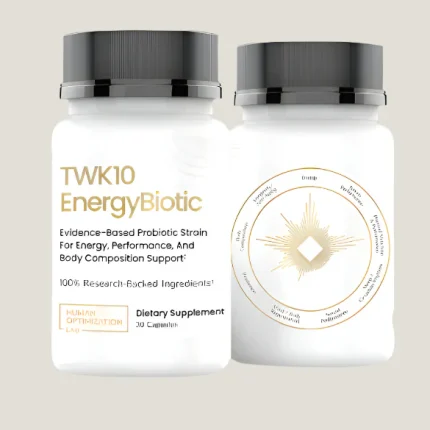

Matrixyl (Topical)
$145.00
Size: 200mg
Contents: Matrixyl
Form: Lyophilized powder
Purity: >99%
SKU: P-Matrixyl
| Quantity |
(200mg x 10 Vials) |
|---|
What is Matrixyl 3000
Matrixyl 3000is a well-known cosmetic peptide complex used in anti-aging skincare products to help reduce the appearance of wrinkles and improve skin firmness and elasticity.
Matrixyl 3000 is a blend of two bioactive peptides:
-
Palmitoyl Tripeptide-1
-
Palmitoyl Tetrapeptide-7
These peptides are designed to mimic natural signals in the skin that activate repair and regeneration processes.
How Matrixyl 3000 Works
Matrixyl 3000 works through a process often referred to as “matrikine signaling.” The peptides signal skin cells (fibroblasts) to increase the production of key structural proteins, including:
-
Collagen
-
Elastin
-
Hyaluronic acid
By stimulating these components, Matrixyl 3000 helps strengthen the skin’s extracellular matrix, which naturally weakens with age.
Matrixyl || Matrixyl 3000
Matrixyl, also known as palmitoyl pentapeptide-4 or palmitoyl pentapeptide-3, is a synthetic peptide currently under scientific investigation for its potential to stimulate collagen production in the skin. It is classified as a matrikine – a messenger peptide that may regulate cell activities by interacting with their specific receptors. Collagen is a protein that is considered to support flexibility and structural integrity in the extracellular matrix of the skin. The conjugation with the palmitoyl introduces the potential for more consistent delivery across the skin and better stability to skin proteases.(1)
Chemical Makeup
Molecular formula: C39H75N7O10
Molecular weight: 802.05 g/mol
Other known titles: Palmitoyl pentapeptide-4, (palmitoyl pentapeptide-3 prior to 2006)
Research and Clinical Studies
Matrixyl Peptide and Collagen Synthesis
Studies suggest that Matrixyl may act as a signal peptide fragment of the C-terminal propeptide of type I collagen.(2) The scientists indicate that it may act by signaling fibroblasts and “stimulates feedback regulation of new collagen synthesis and ECM proteins.” Fibroblasts are a type of cell that is found in connective tissue. They play a crucial role in forming and maintaining the extracellular matrix (ECM), a complex network of proteins and carbohydrates that provides structural support to tissues and organs. The main extracellular matrix proteins are collagens, elastins, fibronectins, and laminins. Fibroblasts produce and secrete collagen, the ECM’s main structural protein. Collagen provides tensile strength to tissues and organs and is essential for maintaining their shape and integrity. During wound healing, fibroblasts are responsible for depositing new collagen fibers to replace damaged tissue. Researchers suggested that Matrixyl may potentially stimulate collagen production in a concentration-dependent manner close to the critical aggregation concentration, indicating that self-assembly and collagen production are interrelated.(3) Self-assembly of peptides includes hydrogen bonds, electrostatic interactions, hydrophobic interactions, aromatic interactions (π–π stacking), and van der Waals forces.
Matrixyl Peptide and Wrinkles
Several studies suggest some potential for Matrixyl to induce action on fibroblasts and collagen synthesis. One research study examined its potential in research models of bilateral exposure to this peptide and a placebo, respectively. (5) The study reported that the peptide appeared to have reduced overall wrinkle depth compared to the placebo control.
An additional study aimed to investigate the cellular activity of Matrixyl.(6) A compound infused with Matrixyl was introduced twice daily to the periorbital area of the research model for a duration of 8 weeks. The results indicated improvements via the exposure to Matrixyl, which appeared to exhibit better results when compared to other peptides and a placebo, based on measured data.
Another study aimed to isolate the potential of Matrixyl to improve skin surface texture and wrinkle depth in the periorbital region.(7) Two double-blind, randomized, controlled studies were conducted in research models of moderate to distinct periorbital wrinkles. After 4 weeks, the peptide was reported by researchers to have appeared to reduce the texture of periorbital skin and reduce the apparent depth of larger wrinkles.
Matrixyl Peptide and Scarring
One study investigated the potential of Matrixyl on fibroblast contractility and its potential role in scar formation.(8) Matrixyl was reported to reduce the expression of α-SMA (alpha-smooth muscle actin) and inhibit the trans-differentiation of fibroblasts to myofibroblasts. Scientists indicate that alpha smooth muscle actin (α-SMA) is a protein commonly found in smooth muscle cells, including those in blood vessels and hollow organs such as the intestines and bladder. It is also considered to be expressed by a specialized type of cell called a myofibroblast, which plays a key role in wound healing and tissue repair. In the context of fibrotic scarring, the expression of α-SMA by myofibroblasts is associated with the deposition of excess collagen and the development of scar tissue.
Related products
HGH Fragment 176-191
$40.00
IGF-1 LR3 (Receptor Grade)
$160.00
Kisspeptin-10
Price range: $35.00 through $45.00
Lipopeptide (Topical)
Price range: $65.00 through $165.00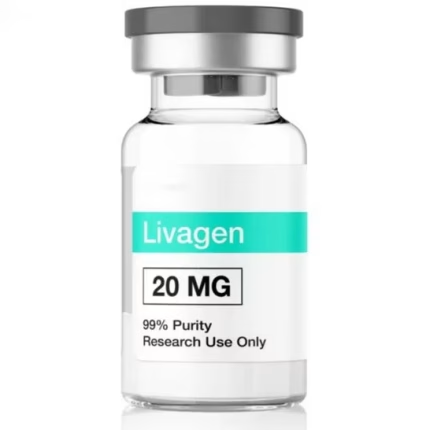
Livagen Peptide | Livagen Bioregulator Peptide
$45.00
MK-677 (Ibutamoren)
$75.00
Reviews
There are no reviews yet.