


Liraglutide & (GLP-1 Analogue) | Liraglutide vs Semaglutide
$335.00
| Quantity |
(3mg x 10 Vials) |
|---|
Liraglutide Dosage
Compare Liraglutide vs Semaglutide for weight loss and metabolic health. Learn differences in dosage, effectiveness, duration, and GLP-1 action.
What is the difference between Liraglutide and Semaglutide?
The main difference between Liraglutide and Semaglutide is dosing frequency and duration of action. Liraglutide is typically taken daily due to its shorter half-life, while Semaglutide is taken weekly and generally produces greater appetite suppression and weight loss effects.
Liraglutide is a GLP-1 (glucagon-like peptide-1) receptor agonist widely studied and prescribed for metabolic health applications, including glycemic control and weight management. Understanding Liraglutide dosage is essential for healthcare professionals, researchers, and individuals seeking accurate, high-level information about how this compound is typically introduced and adjusted in clinical settings.
This overview is provided for informational and educational purposes only and does not replace professional medical advice. Dosage and use must always be determined by a licensed healthcare provider.
General Liraglutide Dosage Structure
In clinical and research-based settings, Liraglutide dosage is typically introduced gradually. This titration approach is designed to help the body adjust and minimize gastrointestinal side effects such as nausea or discomfort.
Common Dosage Phases (Informational Only):
-
Initial Phase:
Liraglutide is commonly started at a low introductory dose to assess tolerance. -
Titration Phase:
The dosage is increased incrementally over a period of weeks. Gradual escalation allows the compound to reach therapeutic levels while reducing side effects. -
Maintenance Phase:
Once tolerance is established, a maintenance dosage may be sustained based on the intended clinical application and individual response.
Exact dosing schedules, maximum limits, and duration must be determined by a healthcare professional based on approved prescribing guidelines.
Factors That Influence Liraglutide Dosage
Several variables may influence how Liraglutide dosing is approached in clinical and research environments, including:
Individual metabolic response
Treatment goals (e.g., glycemic control vs. weight management)
Concurrent medications
Pre-existing medical conditions
Tolerance development over time
Because of these variables, one-size-fits-all dosing does not apply.
Liraglutide vs Semaglutide
GLP-1 receptor agonists have become a major focus in metabolic health research and clinical practice. Among the most well-known compounds in this category are Liraglutide and Semaglutide. While both belong to the same drug class and share similar mechanisms of action, they differ significantly in structure, duration, dosing frequency, and clinical outcomes.
This guide provides an educational comparison of Liraglutide vs Semaglutide to help readers better understand how these two GLP-1 analogs differ.
Research and Clinical Applications
| Feature | Liraglutide | Semaglutide |
|---|---|---|
| GLP-1 Class | Yes | Yes |
| Dosing Frequency | Daily | Weekly |
| Half-Life | Shorter | Longer |
| Weight Loss Potency | Moderate | Higher |
| Adherence Convenience | Moderate | High |
Which Is Better: Liraglutide or Semaglutide?
There is no universal “better” option. The choice between Liraglutide vs Semaglutide depends on factors such as:
-
Treatment goals
-
Tolerance and side-effect sensitivity
-
Preference for daily vs weekly administration
-
Medical history and provider guidance
Both compounds remain clinically valuable and extensively researched.
What Do Liraglutide and Semaglutide Have in Common?
Both Liraglutide and Semaglutide are synthetic analogs of glucagon-like peptide-1 (GLP-1), a hormone involved in glucose regulation and appetite control. They work by:
-
Enhancing glucose-dependent insulin secretion
-
Suppressing glucagon release
-
Slowing gastric emptying
-
Reducing appetite and caloric intake
Because of these effects, both compounds are widely studied in type 2 diabetes and weight management research.
When comparing liraglutide vs. semaglutide, the primary differences lie in duration of action, dosing frequency, and weight-loss efficacy. Liraglutide offers consistent daily GLP-1 support, while Semaglutide provides longer-lasting effects with less frequent administration.
Both compounds represent significant advancements in GLP-1 research, and understanding their differences helps support informed and professional decision-making.
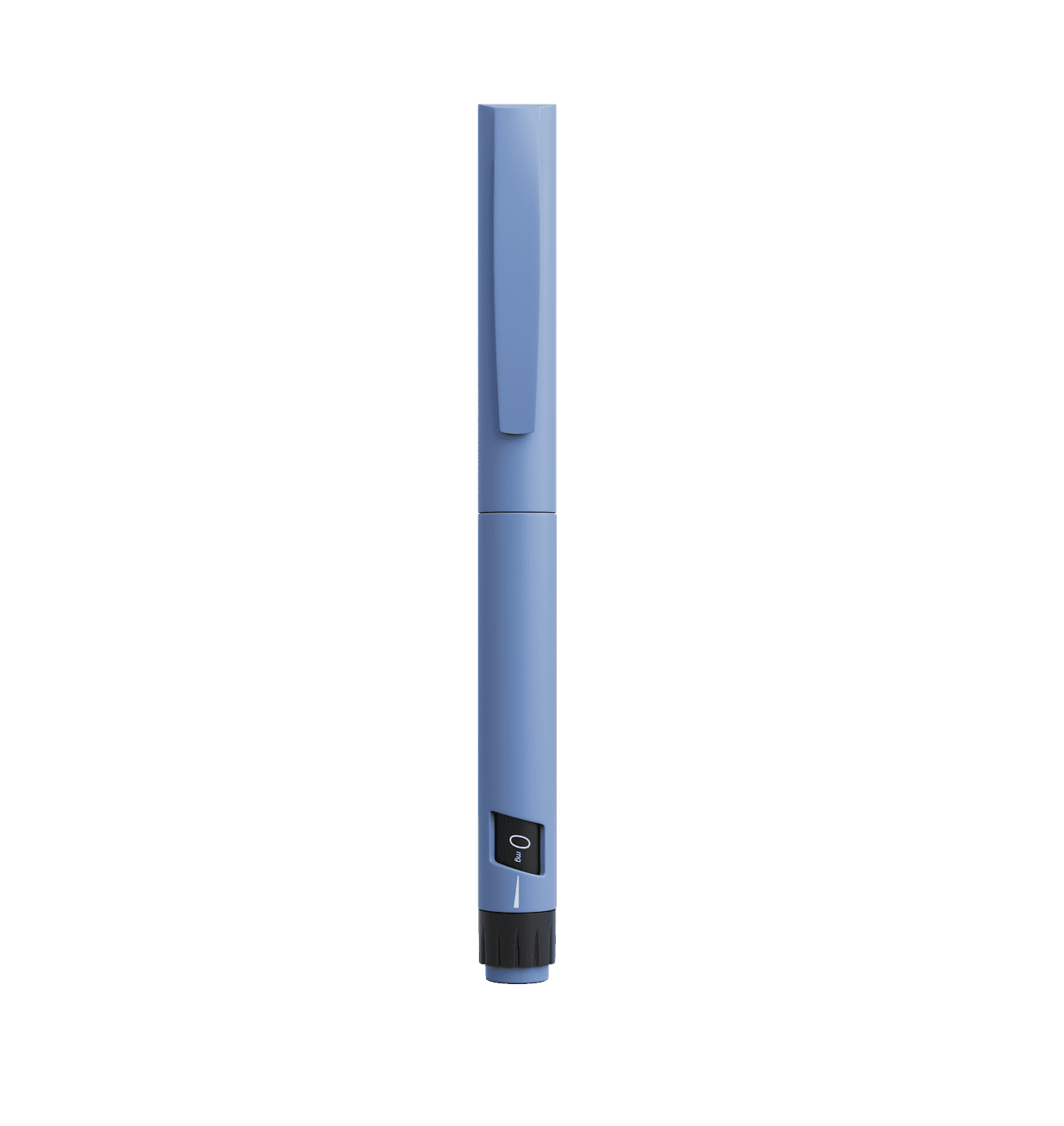
Liraglutide Injection Prefilled Pens
Saxenda Liraglutide is a glucagon-like peptide-1 (GLP-1) receptor agonist used to treat type 2 diabetes and support weight loss in adults with obesity or overweight conditions. It works by mimicking a natural hormone that helps regulate blood sugar levels, slows gastric emptying, and reduces appetite. This leads to improved glucose control and gradual weight reduction. Liraglutide is typically injected once daily and may also help lower the risk of cardiovascular events in certain patients with type 2 diabetes and heart disease.
- Liraglutide is a GLP-1 receptor agonist that mimics the incretin hormone to lower blood sugar.
- It is FDA-approved for the treatment of type 2 diabetes under the brand name Victoza.
- It is also approved for chronic weight management under the brand name Saxenda.
- Liraglutide helps increase insulin secretion in response to meals, improving postprandial glucose levels.
- It slows gastric emptying, which promotes a feeling of fullness and reduces appetite.
- Liraglutide is administered as a once-daily subcutaneous injection.
- Liraglutide is supplied in a prefilled pen, but requires the use of disposable pen needles, which are included.
Liraglutide side effects
The most frequently reported Liraglutide side effects are gastrointestinal in nature. These effects are usually mild to moderate and often decrease as the body adjusts.
Most Common Side Effects
-
Nausea
-
Vomiting
-
Diarrhea
-
Constipation
-
Reduced appetite
-
Abdominal discomfort
These symptoms are most likely to occur during dose initiation or titration. Gradual dose increases are commonly used to improve tolerability.
Less Common Side Effects
Some individuals may experience additional side effects, including:
-
Fatigue or low energy
-
Headache
-
Dizziness
-
Injection site reactions (redness, swelling, or irritation)
-
Indigestion or bloating
Although less common, these effects should still be monitored and discussed with a healthcare provider if persistent.
How Side Effects Are Typically Managed
In clinical settings, side effects are often managed by:
-
Starting at a low dose
-
Gradually increasing dosage
-
Staying hydrated
-
Adjusting diet to reduce gastrointestinal stress
Most users find that side effects diminish over time with proper management.
Related products

Humanin | Humanin peptide
$80.00
Kisspeptin-10
Price range: $35.00 through $45.00

Longevity, Performance & Obesity Research
$245.00
MK-677 (Ibutamoren)
$75.00
Mod GRF & GHRP-2 Blend
$65.00
Mod GRF Ipamorelin GHRP 2 blend | Modified GRF 1-29 and GHRP-2 Peptide Blend
$65.00
Reviews
There are no reviews yet.